한뉴픽
One Ball, One World: The Enduring Appeal of the World Cup

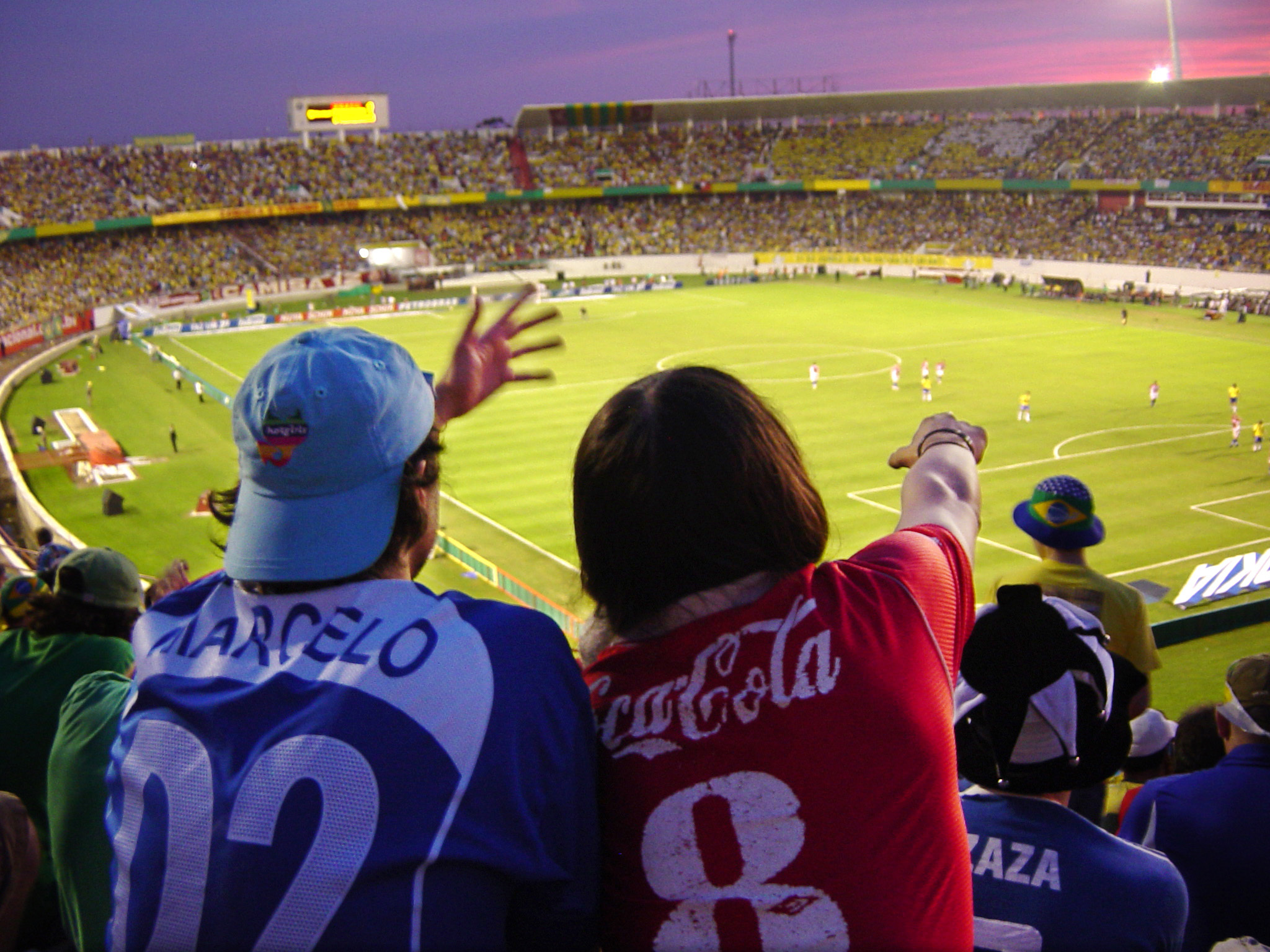
The 2026 North American World Cup has captivated audiences worldwide as teams compete fiercely for a place in the Round of 16. Yet behind the spectacle, a less celebratory story has been unfolding off the pitch. According to Reuters, a group of fans recently filed a lawsuit in a U.S. court against ticket resale platform StubHub, alleging they paid for tickets that were never delivered. For fans who had already booked flights and accommodations, a refund alone was far from adequate compensation.
In fact, ticketing disputes have cast a long shadow over this tournament. The BBC reported that a European fan coalition formally raised concerns with the European Union over ticket prices for the final, which they argued were significantly higher than those of previous tournaments. FIFA's newly introduced dynamic pricing system—which adjusts ticket costs based on demand—drew further criticism for fueling market volatility. This situation revealed a striking contradiction: even as prices soared, a considerable number of seats went unsold. Fans priced out of attending, resellers seeking profit, and half-empty stadiums all coexisted within the same event.
Despite these issues, global enthusiasm for the World Cup shows no sign of waning. Since the inaugural tournament held in Uruguay in 1930, the World Cup has united the world every four years, remaining the largest sporting event on the planet. Much of its enduring appeal lies in the weight of national representation. When a player pulls on a national jersey, the match transcends individual athletic performance and becomes an expression of collective identity. The emotional investment that follows is difficult to replicate in any other sporting context.
The sport itself also plays a crucial role. Soccer's rules are simple, its barriers to entry are low, and all it requires is a ball. From the back streets of West Africa to the beaches of South America and the schoolyards of East Asia, the game is played by the same rules everywhere, making it a universal language in a way few other sports can claim. The legends who have defined each era have further elevated the tournament, building a mythology that deepens with every passing edition. This year has been no exception. Cape Verde twice equalized against Argentina before finally falling in extra time—precisely the kind of underdog drama that transforms a sporting result into a lasting cultural memory. It is moments like these that give the World Cup its singular power.
The tournament, however, has never operated on passion alone. For host nations, it represents a substantial economic wager. They invest heavily in stadiums and infrastructure, hoping that tourism, employment, and broadcasting revenue will justify the cost. The state-of-the-art venues constructed for this edition have attracted considerable attention on that front.
Yet, the risks are well documented. Once the final whistle blows, newly built stadiums must still be maintained, and many past hosts have struggled to find a sustainable purpose for them. Critics have long pointed to the 2014 Brazil World Cup as a cautionary tale, where several venues fell into disuse shortly after the tournament ended. Compounding the issue, a significant portion of the revenue generated flows not to the host country but to FIFA, leaving the question of who truly benefits wide open. Set against the backdrop of ticket pricing controversies and an overheated resale market, the World Cup emerges as a study in contradictions, functioning simultaneously as a genuine festival of human emotion and a vast commercial enterprise.
Perhaps that tension is precisely what this moment calls attention to. The fact that a single tournament ticket can prompt lawsuits and regulatory complaints while remaining one of the most sought-after items in the world says something meaningful about what the World Cup has become. It is no longer simply the world's premier sporting event; it has evolved into a defining cultural and economic phenomenon, one that plays out, in the end, across 90 minutes and with a single ball.
Yeom Hyein / Reporter
정보관리부서 : 홍보팀
최종 수정일 : 2026-04-06