한뉴픽
Why Nostalgia Feels Stronger Than Ever

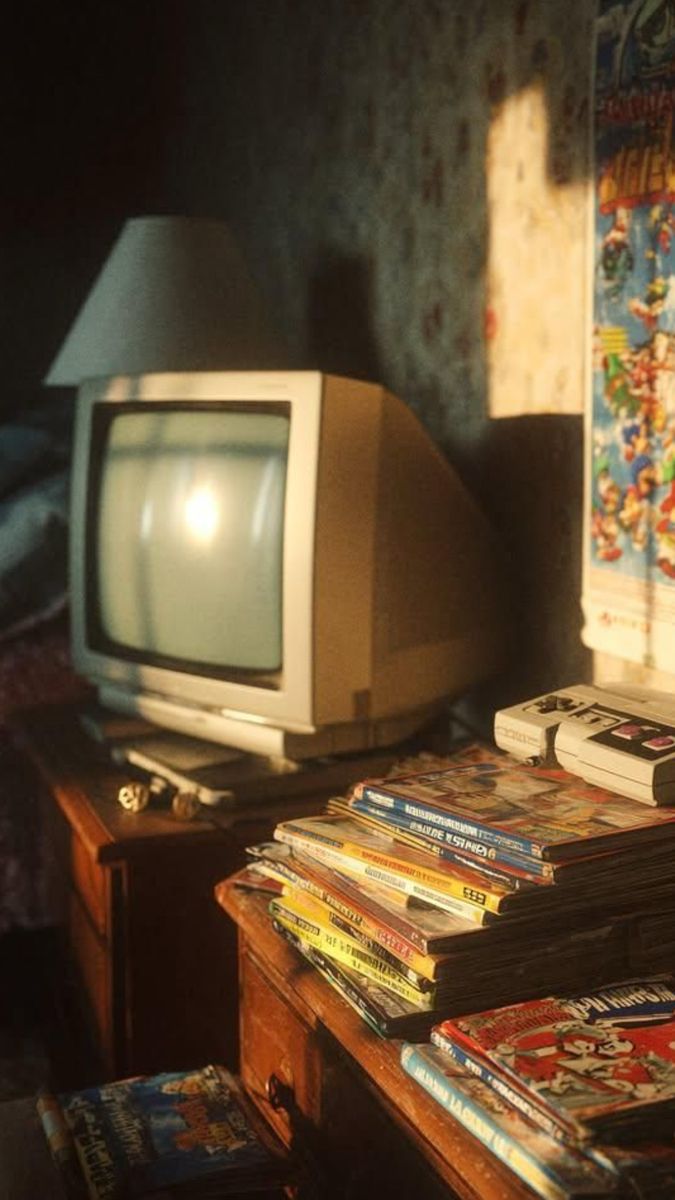
Late at night, an old song suddenly starts playing. At frst, you listen without much thought. But after only a few lines, your mind begins to drift back in time. You remember the roads you walked with friends during your school days, the evening air on your way home after class, and the ordinary moments that once seemed unremarkable. For a brief moment, the past feels closer than the present.
Most people have experienced something similar. For some, it happens while looking through old photographs. For others, it comes from tasting a childhood favorite food. And often, the reaction is the same: “Those were the good days.”
In recent years, nostalgia has become more than a personal feeling. It has grown into a cultural phenomenon. Old songs are fnding new audiences, vintage fashion trends are returning, and people are searching for products, games, and media from their childhood. On social media, it is easy to fnd posts that revisit old photos, videos, and cultural memories. Nostalgia is no longer just an individual emotion. It has become part of modern culture.
Nostalgia is generally defned as a longing for the past. What makes it interesting, however, is that the past we miss is often not the past exactly as it was. People tend to remember positive experiences more clearly while negative memories gradually fade. As a result, the past can seem more beautiful as time goes by.
After all, childhood was never perfect. There were exams to worry about, arguments with friends, and moments of frustration. Many of us wanted to grow up and imagined a freer, happier future. Yet when we look back years later, those same days often feel warm, peaceful, and comforting.
Psychologists describe this tendency as “rosy retrospection.” It refers to the human habit of remembering positive aspects of the past more strongly than negative ones. <researchgate.net> In other words, what we miss may not be the past itself, but a version of it that has been reshaped by memory.
Why, then, does nostalgia seem especially powerful today?
Many experts point to the rapid pace of modern life. Technology continues to advance, and new information reaches us every day. People are experiencing more change than ever before. While change creates new opportunities, it can also create uncertainty. When the future feels difcult to predict, people often look to the past for a sense of comfort and stability.
The digital age has made this even easier. In the past, memories existed mainly in our minds. Today, smartphones and the internet allow us to revisit them at any time. Old photos can be found within seconds, and music from years ago is always just a click away. Algorithms constantly bring the past back into our lives. Features such as “On This Day” posts on social media often transport us into unexpected moments of memory.
The COVID-19 pandemic also strengthened feelings of nostalgia for many people. As daily routines were disrupted and social interactions became limited, people began to appreciate ordinary moments they had once taken for granted. Going to school, meeting friends, or sharing a meal with family suddenly felt more valuable than before.
In fact, after the pandemic, retro culture and nostalgic content gained popularity in many countries. Faced with uncertainty, people sought comfort in familiar things, and the past became a kind of refuge. <independent.ie>
However, nostalgia should not simply be viewed as a form of escapism.
For a long time, nostalgia was considered a negative emotion associated with dwelling on the past. More recent studies suggest otherwise. Healthy nostalgia can reduce feelings of loneliness and increase emotional well-being. Remembering meaningful and happy moments can provide strength during difcult times.
People also use the past to understand who they are. Childhood experiences, important relationships, and forgotten memories all help shape personal identity. In this sense, nostalgia is not only about looking backward. It is also about understanding ourselves.
Of course, too much nostalgia can become problematic. If we begin to idealize the past and reject the present, we may miss opportunities for growth. Reality has always been imperfect, and the future will always contain uncertainty. Yet the past was never perfect either.
Perhaps the true meaning of nostalgia is not a desire to return to the past, but a desire to hold on to the feelings that those moments left behind. What we miss is often not a specifc place or event, but the emotions connected to them.
The freedom of summer vacations, the relief of fnishing an exam, the laughter shared with old friends, or the nights when sleep came without worry. Those moments are gone, but they have not disappeared completely. They remain in our memories and continue to comfort us in the present.
In a world that changes faster every day, people must keep moving forward. We learn new technologies, adapt to new environments, and face constant change. Yet sometimes we pause and look back. An old song, a faded photograph, or a familiar scent can suddenly bring the past to life.
And in those moments, we realize something important. Nostalgia is not simply the longing for time that has passed. It is the power of memory that reminds us where we came from.
That may be why people continue to revisit their memories, not because they want to go back, but because those memories help them move forward.
Simsekyilmaz Simge / Reporter
정보관리부서 : 홍보팀
최종 수정일 : 2026-04-06