한뉴픽
The Baseball Stadium Becomes a Fandom Sanctuary

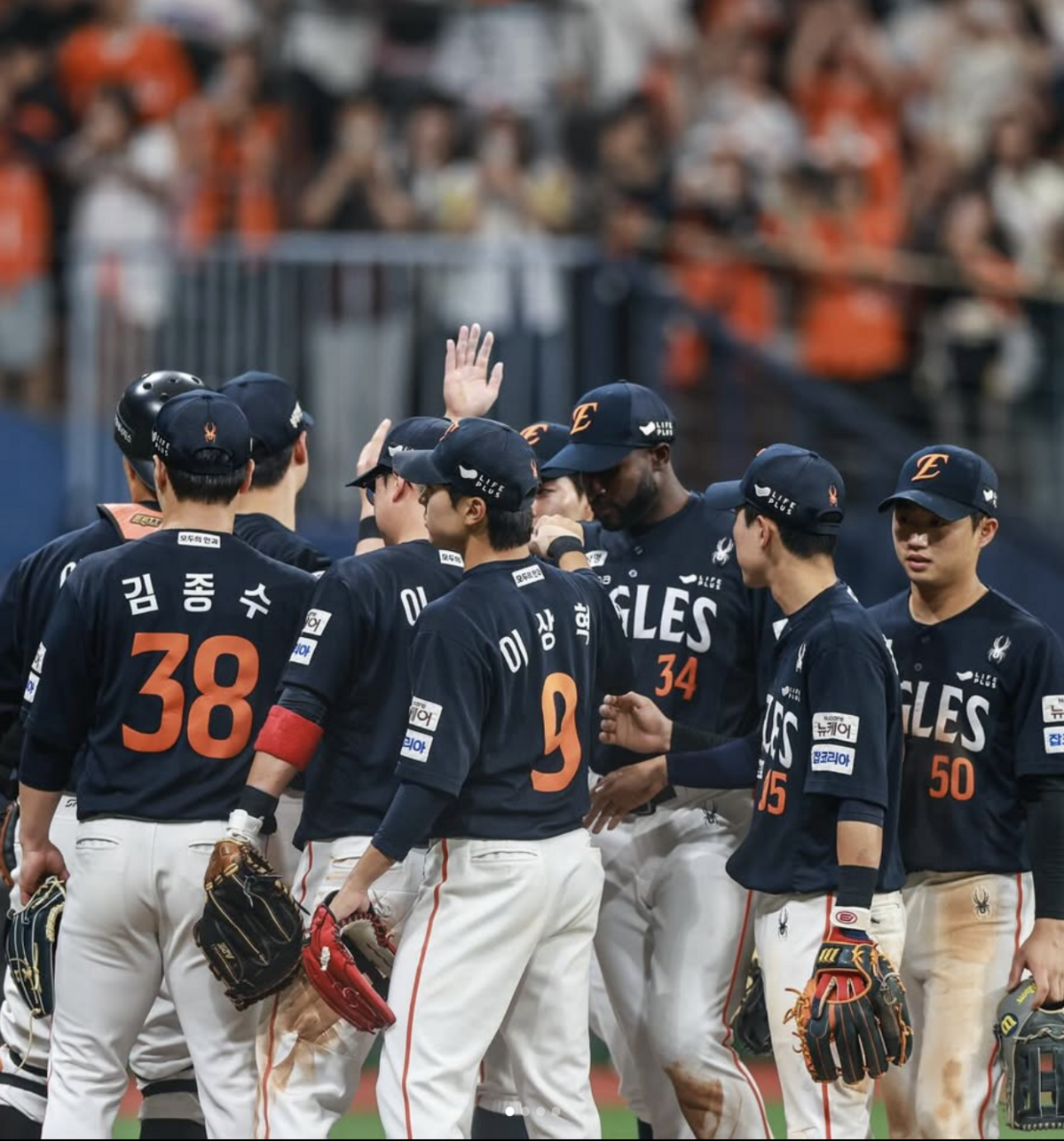
In the 2026 season, the KBO League surpassed 7 million spectators in the fewest games in its history, continuing a box-office streak that now stretches four years in a row. This is a remarkable achievement considering that interest in baseball had been steadily declining since 2014, falling as low as 31% in 2022. And behind this success is an unexpected face. The ballpark, once considered the domain of middle-aged men, is now becoming a sanctuary of 'fandom' led by young women.
The KBO League has the highest proportion of young and female fans among Korea's four major professional sports leagues. This tendency already existed before the pandemic, and after COVID ended, it began rising again from 2023, to the point that women now account for over 50% of ticket reservations in the KBO League. According to official statistics released by the KBO in 2025, 57.5% of all online ticket buyers were women, and among people in their 20s, the reservation rate for women reached 63.6%. This is a clear indicator that the main consumer base of the ballpark is shifting.
Behind this change lies the spread of idol fandom culture. Women in their 20s and 30s are a consumer group that actively enjoys fandom culture and tends to convert that enjoyment into spending. Rather than simply watching the games, they extend their affection for teams and players into various forms of 'experience consumption,' such as merchandise and pop-up stores. Buying the jersey of a favorite player and collecting photo cards to cheer them on is a pattern strikingly similar to the consumption patterns of existing celebrity fandoms. Beyond simple spectating, cheering culture and consumption culture have become the main axis driving fandom.
Baseball clubs have also sensitively picked up on this shift. Among them, the SSG Landers, based in Incheon, were the first to read the trend. Incheon SSG Landers Field, the team's home stadium, was already targeting female fans back in 2010, becoming the first ballpark in Korea to install a powder room and a nursing room. Beyond that, as items like tumblers, keyrings, picnic mats, parasols, photo cards, and fashion accessories have appeared, sports merchandise has quickly expanded into everyday consumption and a matter of personal taste. To meet the demand of women in their 20s and 30s who want to collect these items, each club is now collaborating with popular characters to attract fans. The Lotte Giants collaborated with 'Pokémon,' and the LG Twins collaborated with 'Chiikawa'—examples showing that the changing demand of the league's fanbase is now even influencing stadium design and operations.
The spread of social media and short-form content has also contributed to the KBO League's success. After the KBO restructured its new-media broadcasting rights contract, the production and sharing of short-form videos related to games became allowed, creating a new pathway for the social-media-savvy younger generation to naturally encounter baseball. A representative case is the KIA Tigers cheer squad's 'Bbikki Bbikki' dance, which became a short-form challenge trend and was even introduced by foreign media outside Korea. A single short clip circulating among the public outside the ballpark has built a cycle that helps draw new fans into the KBO League.
The inflow of young female fans is also directly connected to a real increase in club revenue. According to the Korea Baseball Organization (KBO) in 2025, women in their 20s and 30s spent more on baseball merchandise over the course of a year than the overall average (235,000 won), spending 237,000 won and 273,000 won respectively. Young women are actively consuming related merchandise—clothing, accessories, club collaboration items—and contributing to the market's expansion.
This trend also connects with baseball's characteristic as a locally rooted sport. Ballparks located in major cities across the country under the name of 'home region' provide young people living outside the capital area with an accessible cultural space, unlike general performances and cultural events that are concentrated in the Seoul metropolitan area.
In fact, the Hanwha Eagles, based in Daejeon, have reached a seat occupancy rate of 98.3% this season—the second highest after the Samsung Lions' 99.3%. This is an example showing that, not only around university areas in Daejeon, visiting the ballpark has fully settled in as a hobby among young people.
The ballpark is now becoming more than just a place to compete for wins and losses—it is becoming a center of popular culture where the younger generation expresses and communicates their tastes. This massive shift led by women in their 20s and 30s is becoming the sturdiest pillar supporting the KBO League's long-term success.
Kim Taehee / Reporter
정보관리부서 : 홍보팀
최종 수정일 : 2026-04-06